Just when you’ve become used to life without a period, your cycle decides to make its postpartum comeback. But when you’re breastfeeding, the return of your period can look very different from what you remember. It might return a few months after birth, stay away for much longer, come back irregularly or seem to coincide with changes in the way your baby feeds.
You might also notice sore nipples, a fussier baby or what feels like a temporary change in milk flow around certain times of the month. So, when should you expect your period to return while breastfeeding? Can your menstrual cycle affect breastfeeding? And importantly, can you get pregnant before your first period comes back?
Here’s what you need to know.
When will my period return while breastfeeding?
There’s no single “normal” time for periods to return after having a baby. Breastfeeding can delay the return of ovulation and menstruation, particularly when your baby is breastfeeding frequently. Some breastfeeding mums get their first period within a few months of giving birth, while others may not get one for a year or even longer.
The Australian Breastfeeding Association says some mothers get their period back as early as around three months postpartum, while for others it can take more than two years. An Australian study found the average was around 9–10 months.
Your own timeline is just that - your own.
Why does breastfeeding delay your period?
It all comes down to hormones.
Breastfeeding increases levels of prolactin, a hormone involved in milk production. Frequent breastfeeding can also suppress the hormonal processes responsible for ovulation. No ovulation usually means no period. As breastfeeding frequency changes, that suppression can reduce and fertility may gradually return.
This is why periods are often more likely to return when your baby:
-
starts breastfeeding less frequently
-
begins having longer stretches between feeds
-
starts sleeping for longer periods overnight
-
starts having formula or mixed feeding
-
begins eating solid foods
But none of these milestones guarantees that your period will return immediately. Bodies respond differently to breastfeeding and postpartum hormonal changes.
What will my first period after having a baby be like?
Potentially different from what you remember. When your period first returns while you’re still breastfeeding, your menstrual cycle may be irregular.
You might have one period and then wait several weeks - or even months - for another. Your periods may initially be lighter, heavier, shorter or longer than they were before pregnancy.
For many women, cycles gradually become more predictable over time, particularly as breastfeeding reduces. If you’re experiencing unusually heavy bleeding, ongoing bleeding between periods, significant pain or other changes that concern you, speak with your GP or healthcare professional.
Can my period affect my breast milk supply?
This is probably one of the biggest questions breastfeeding mums have when their period returns. Some women report noticing a temporary change in their milk supply around ovulation or menstruation. However, your period doesn’t necessarily mean your milk supply will significantly decrease. Sometimes what looks like a supply change may actually be a change in how your baby is feeding.
Your baby might suddenly:
-
feed for shorter periods
-
want to breastfeed more frequently
-
come on and off the breast
-
seem frustrated during feeds
-
temporarily refuse a feed
If your baby feeds less frequently for several days, this can then affect supply because breast milk production works largely on supply and demand. In most cases, these changes are temporary.
Why is my baby suddenly fussy at the breast?
If your usually content breastfeeder suddenly seems unimpressed with what’s on offer, your menstrual cycle could be one possible explanation. Some women notice that their baby breastfeeds differently around ovulation or menstruation.
Researchers have identified changes in the composition of breast milk during the ovulatory menstrual cycle, and the Australian Breastfeeding Association notes that changes in milk flow and taste may help explain why some babies behave differently at the breast during this time.
Your baby might:
-
want to feed more frequently
-
have shorter feeds
-
pull on and off
-
seem unsettled while feeding
-
occasionally refuse the breast
It doesn’t necessarily mean there’s something wrong with your milk - and it doesn’t mean you need to stop breastfeeding. These changes are usually short-lived.
Does breast milk taste different during your period?
Potentially, although it’s not quite as simple as saying your period makes your milk taste a particular way. Research has identified temporary changes in breast milk composition around ovulation, and these may affect taste or the way milk flows. Some babies don’t appear to notice anything at all.
Others may suddenly behave differently at the breast for a few days before returning to their usual feeding pattern. If your baby is otherwise well and getting enough milk, a brief change in feeding behaviour isn’t necessarily cause for concern.
Can your nipples become more sensitive around your period?
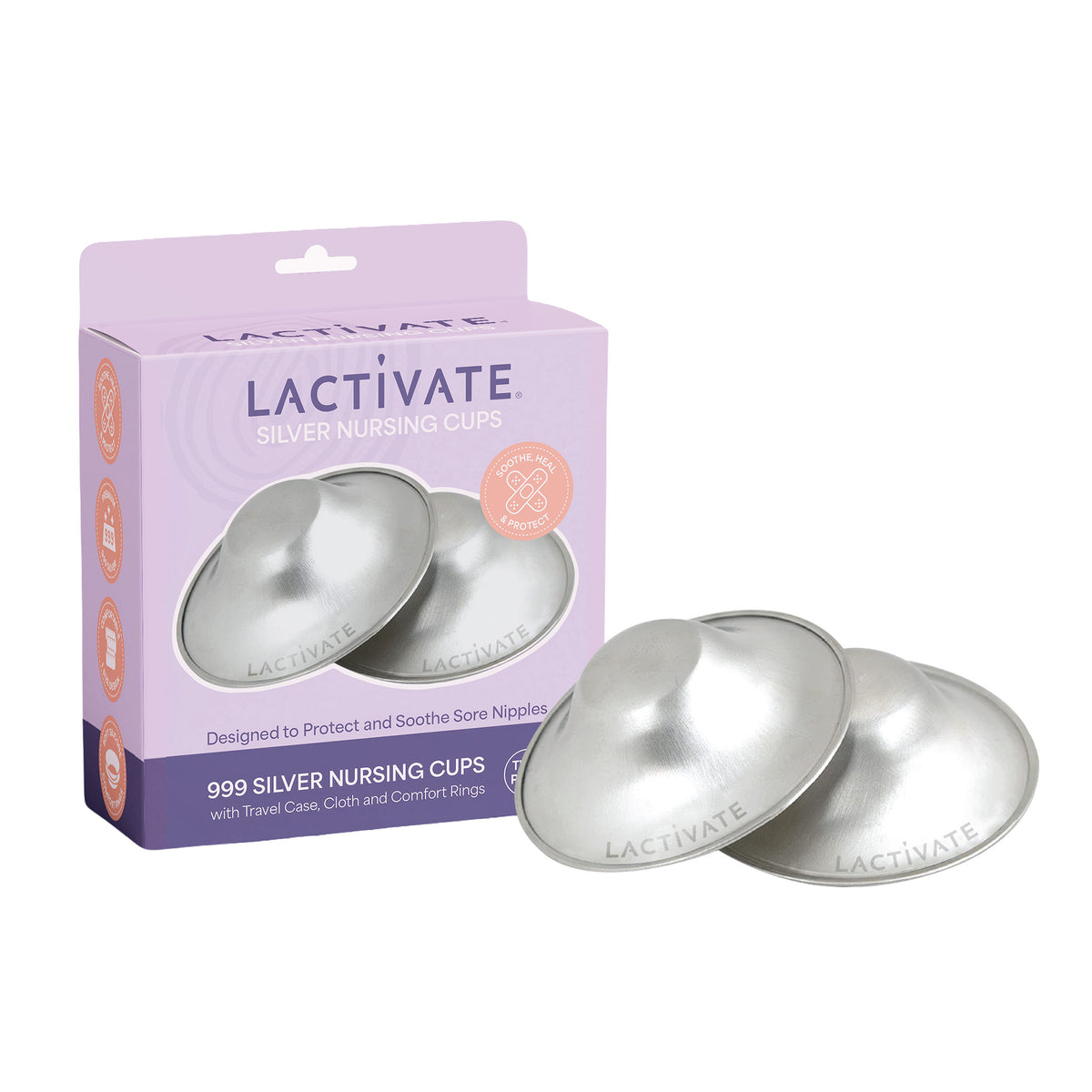
Yes. Some breastfeeding mums notice their nipples or breasts become more sensitive at certain stages of their menstrual cycle, And when someone is attaching themselves to those nipples several times a day, even a relatively small increase in sensitivity can be very noticeable.
If feeding suddenly becomes uncomfortable around the same time each month, your menstrual cycle could be contributing. However, persistent nipple pain shouldn’t automatically be blamed on your period.
Attachment issues and other breastfeeding problems can also cause nipple pain. If breastfeeding remains painful, consider speaking with a lactation consultant or other qualified health professional.
What should I do if my supply seems lower around my period?
First, don’t panic over one pumping session or one unsettled feed. Breastfeeding and pumping output naturally vary, and how much you express isn’t necessarily an accurate measurement of your overall milk supply.
If you notice a recurring temporary change around your period, continue breastfeeding according to your baby’s cues. Your baby may naturally want to feed a little more frequently during this time. If you’re expressing, continue your normal pumping routine rather than assuming that one lower-volume session means your supply has suddenly disappeared.
Most importantly, look at the bigger picture. If you’re concerned your baby isn’t getting enough breast milk, is having fewer wet nappies than expected, isn’t gaining weight appropriately or you’re noticing an ongoing rather than temporary change in supply, seek advice from a lactation consultant or healthcare professional.
Can I get pregnant while breastfeeding?
Yes. And this is one of the most important things to understand about breastfeeding and your period. Breastfeeding can delay fertility, but breastfeeding itself does not automatically mean you can’t become pregnant.
The particularly tricky part? You can ovulate before you get your first postpartum period. A period happens after ovulation. This means your first postpartum ovulation can happen without you knowing your fertility has returned. So it’s possible to become pregnant while breastfeeding even if you haven’t had a period yet.
If you’re not planning another pregnancy, speak with your doctor, midwife or healthcare professional about contraception that’s appropriate while breastfeeding.
But isn’t breastfeeding a form of contraception?
Under very specific circumstances, it can be. The Lactational Amenorrhea Method (LAM) is a recognized temporary method of contraception based on breastfeeding’s natural suppression of ovulation. When used correctly, LAM can be up to 98% effective during the first six months after birth.
But there are strict criteria. For LAM to be effective, all of the required conditions need to be met, including that:
-
your baby is under six months old
-
your period hasn’t returned
-
you’re fully or almost fully breastfeeding
-
your baby is breastfeeding frequently
Once your baby starts feeding less frequently, sleeping for longer periods, having formula or other food and drinks, or your period returns, you may no longer meet the criteria. The effect of regularly expressing breast milk on the effectiveness of LAM isn’t fully known either.
If avoiding pregnancy is important to you, speak with a healthcare professional rather than assuming breastfeeding alone is providing contraception.
Why did I get one period and then nothing?
You got your period back. You thought your cycle had officially returned. Then… nothing. This can happen.
Periods can be irregular when they first return while you’re still breastfeeding. You may skip a cycle or have several months between periods. Your breastfeeding pattern is also continuing to change. Your baby may feed more during some periods and less during others, and your hormone levels are adjusting along with those changes.
Over time, particularly as breastfeeding reduces, your cycle may become more regular. That said, don’t automatically assume a missed period is because you’re breastfeeding. If there’s a possibility you could be pregnant, take a pregnancy test or speak with your healthcare professional.
Will my periods become regular again?
Usually, but it might take some time. Your first few postpartum periods don’t necessarily predict what your long-term cycle will look like. While you’re still producing breast milk, periods can remain irregular. As breastfeeding frequency reduces, your cycle may gradually become more predictable.
Some women also find their periods are different after pregnancy - they may be heavier, lighter, longer, shorter or more painful than they were previously. If your periods remain very irregular or you’re concerned about a significant change in your cycle, speak with your GP.
Does having your period mean you need to stop breastfeeding?
Absolutely not. The return of your period isn’t a sign that you need to wean. Your breast milk is still breast milk, and menstruating doesn’t make it unsafe or unsuitable for your baby.
Some mums and babies don’t notice any difference at all when periods return. Others experience a few days each month when breastfeeding feels a little different. Either experience can be normal.
When should you seek help?
Periods and breastfeeding both come with a huge range of normal experiences, but you don’t need to work everything out on your own.
Consider speaking with your GP or another healthcare professional if you’re experiencing:
-
unusually heavy bleeding
-
prolonged bleeding
-
ongoing spotting or bleeding between periods
-
significant or worsening period pain
-
bleeding after sex
-
menstrual changes that concern you
-
concerns about pregnancy or contraception
And if the concern is specifically breastfeeding - including persistent pain, feeding difficulties, concerns about your baby’s intake or an ongoing reduction in milk supply - an International Board Certified Lactation Consultant (IBCLC) or other qualified breastfeeding professional can help you work out what’s happening.
Breastfeeding and periods: the quick answers
Can your period reduce your milk supply?
Some women notice a brief change around ovulation or their period, but a significant supply drop isn’t inevitable. Changes in your baby’s feeding behaviour can also make it seem like your supply has changed.
Why is my baby fussy while I’m on my period?
Some babies breastfeed differently around ovulation or menstruation. Changes in the flow or taste of breast milk may play a role, and these feeding changes are usually temporary.
Can your period make your nipples sore?
Some women experience increased nipple or breast sensitivity at certain points in their menstrual cycle. Persistent pain, however, should be investigated rather than automatically attributed to your period.
Can I get pregnant while breastfeeding without having a period?
Yes. Ovulation can occur before your first postpartum period, so it’s possible for fertility to return before you realise it has.
Is it normal to have irregular periods while breastfeeding?
Yes. When periods first return, they may initially be irregular, particularly while you’re still breastfeeding.
Does getting my period mean my milk is drying up?
No. The return of your menstrual cycle doesn’t mean breastfeeding is ending or that your milk is automatically drying up.
The bottom line
Like so many parts of postpartum life, there’s no single timeline for when your period “should” return.
You could be breastfeeding a three-month-old when it arrives unexpectedly, or you might be well into your baby’s second year before you see it again. When your cycle does return, you may notice absolutely no difference to breastfeeding. Or you might have a few days of nipple sensitivity, different feeding behavior or what feels like a temporary change in milk flow.
Give yourself and your baby a little time to adjust and remember the important bit: your fertility can return before your first period does. If another pregnancy isn’t currently in your plans, don’t rely on the absence of your period alone as contraception.
If something doesn’t feel right - whether that’s your bleeding, your cycle, your milk supply or the way your baby is feeding - reach out to your GP, lactation consultant or another appropriate healthcare professional for individual advice.
This article provides general information only and isn’t intended to replace individual medical advice. If you have concerns about your health, menstrual cycle, fertility or breastfeeding, speak with an appropriately qualified healthcare professional.