Here are very few times in life when your body suddenly becomes a topic of casual conversation. Then you have a baby. Almost overnight, people who have never previously shown the slightest interest in your breasts would quite like an update.
Are you breastfeeding?
Is your milk in yet?
Do you have enough?
How often is the baby feeding?
How much are you pumping?
Are you still breastfeeding?
And, somehow, a part of your body that has always belonged to you starts to feel like public property.
The questions start early
Sometimes the questions are well intentioned. People want to know how you're going. They want to help. They're making conversation. But when you're newly postpartum, even an innocent question can land differently, because you're probably already thinking about feeding. A lot.
You're learning your baby's cues. You're wondering whether they're getting enough. You're navigating leaking breasts, sore nipples, cluster feeding, pumping, engorgement and a bra size that seems to change by the hour. You really don't need an audience keeping score.
Can we retire "Do you have enough milk?"
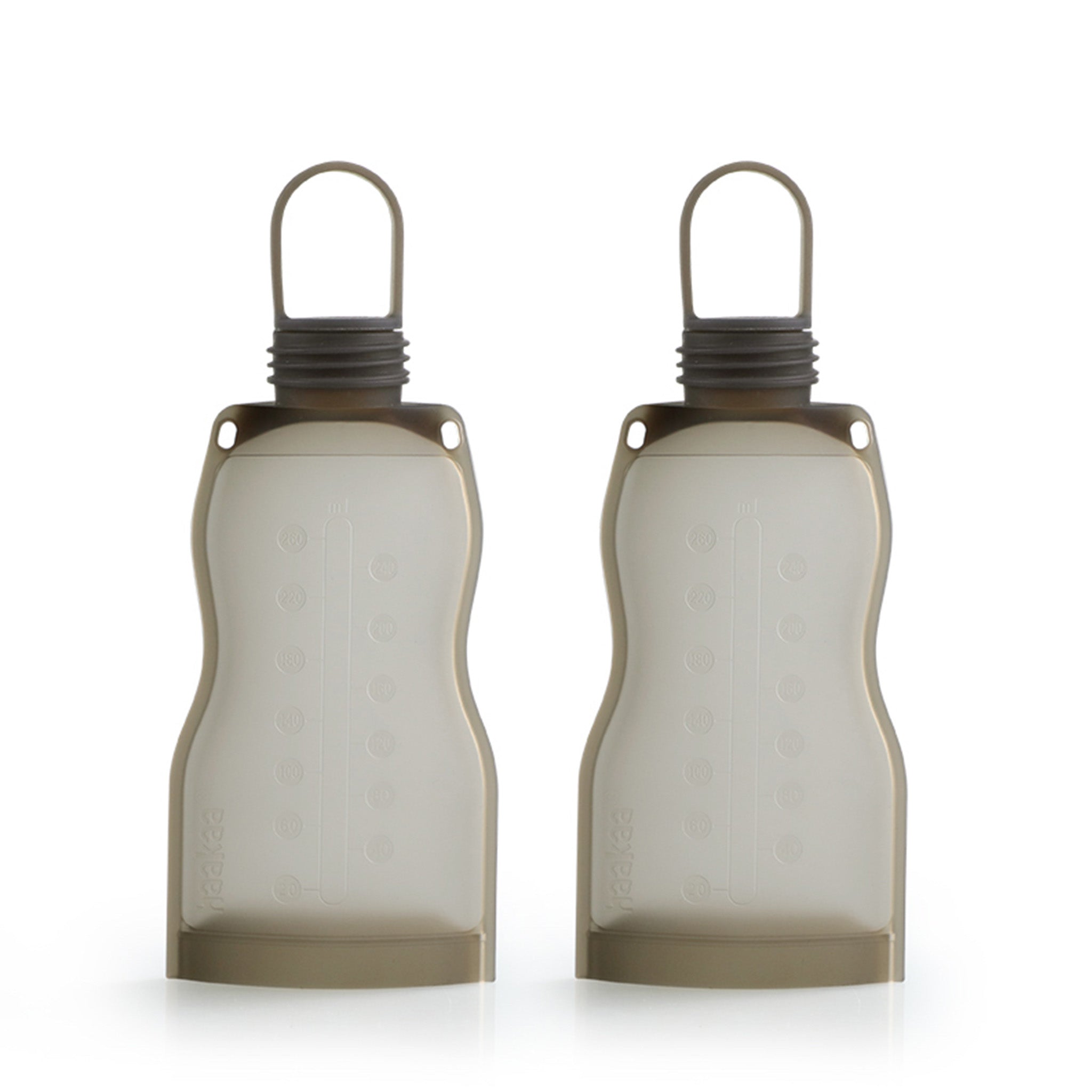
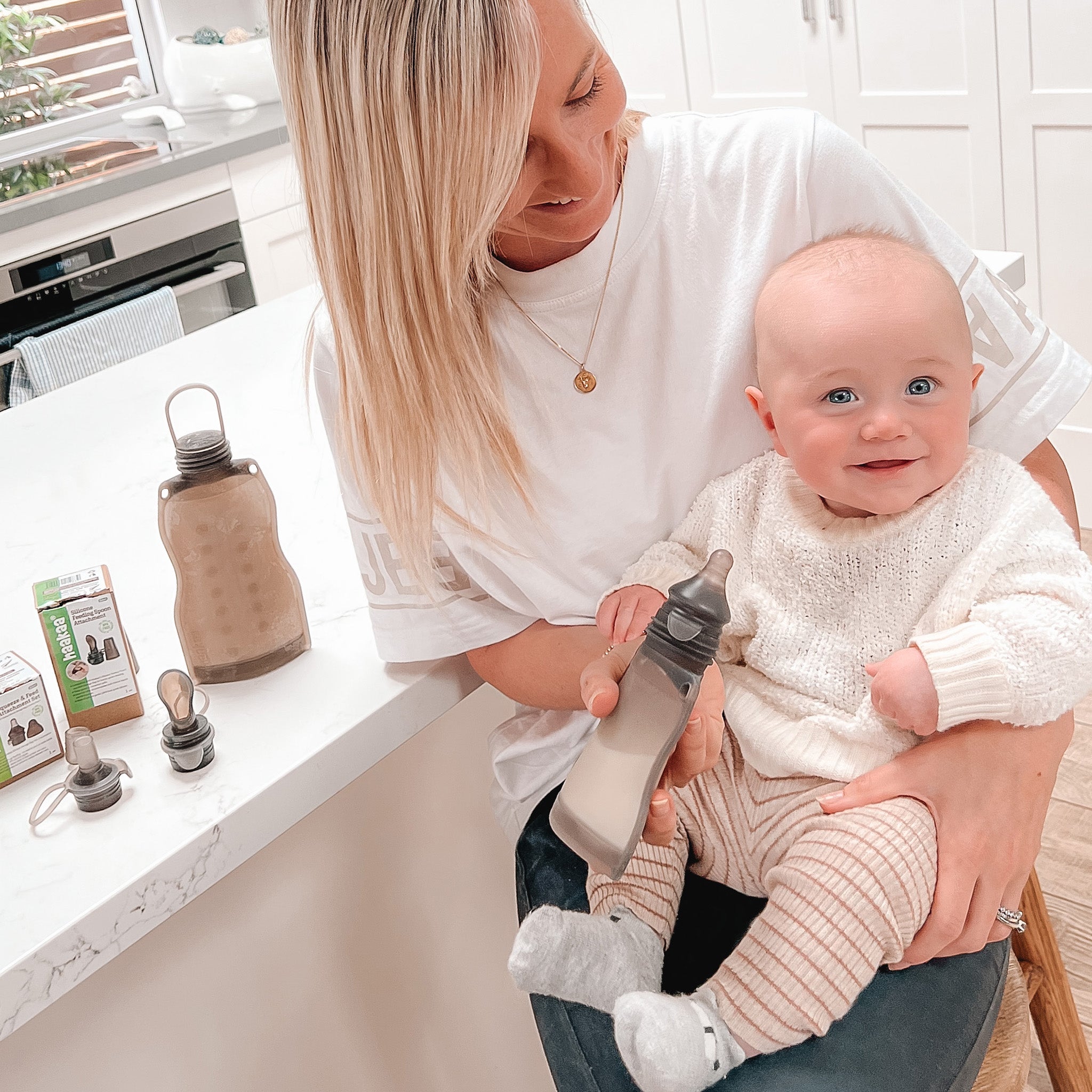
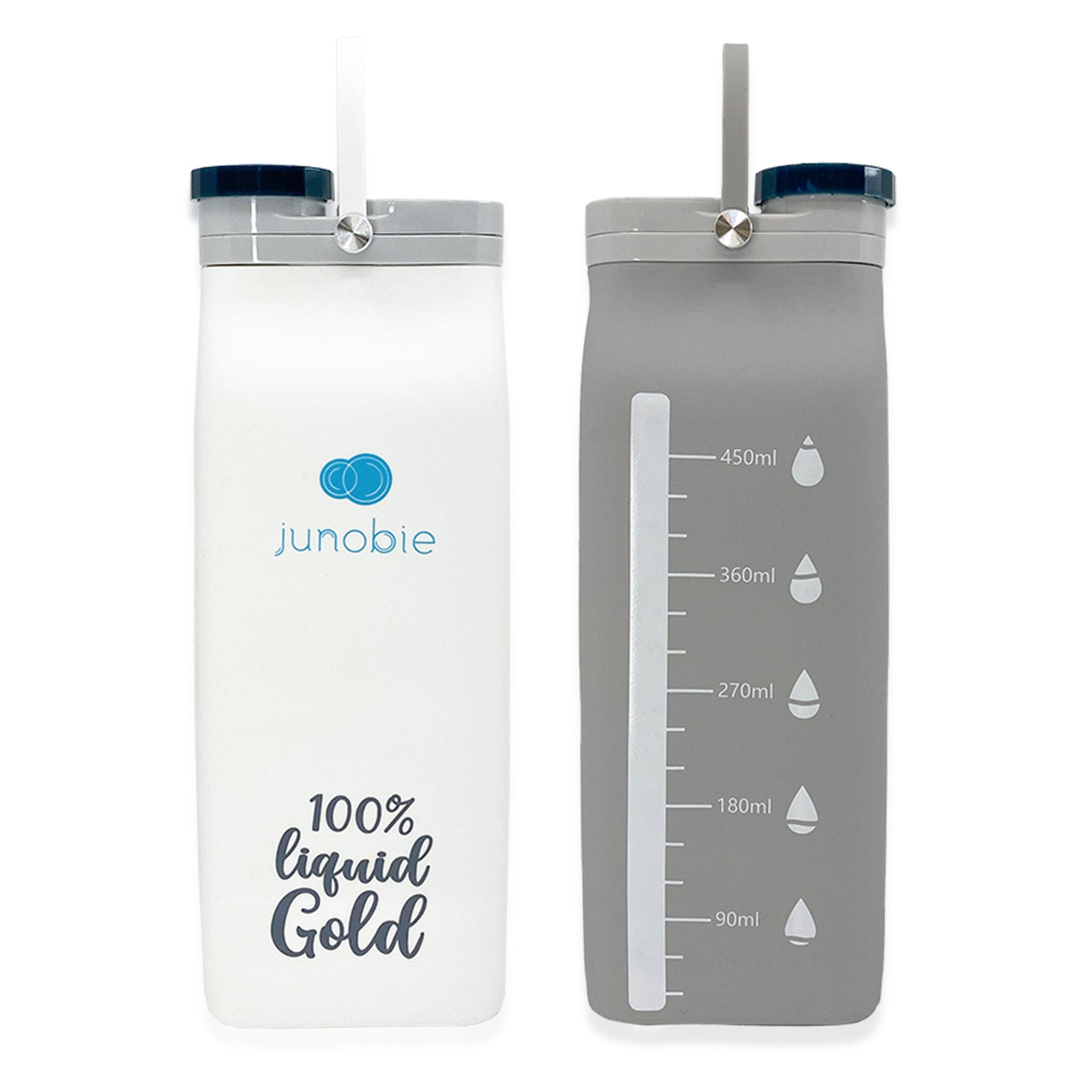
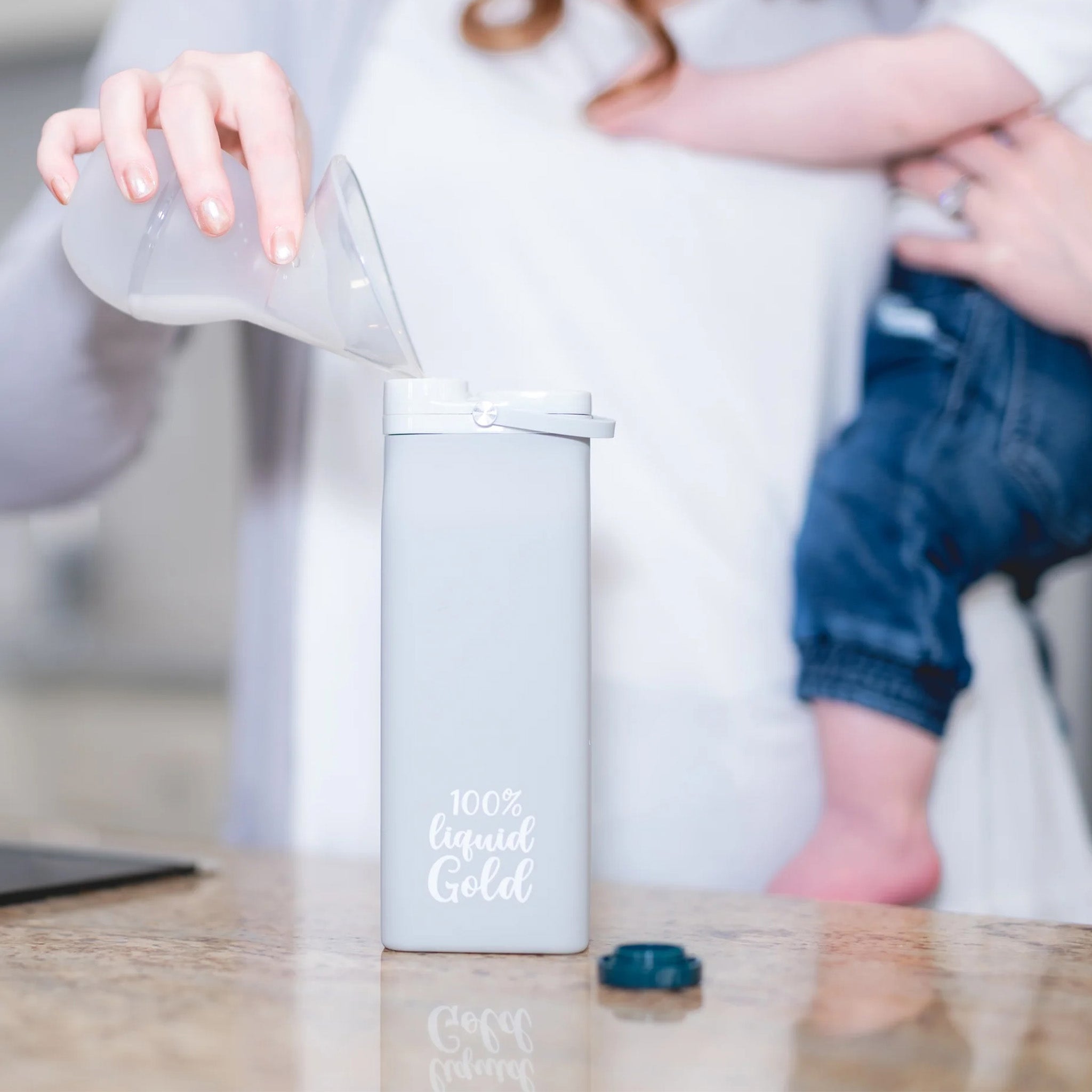
Milk supply has somehow become one of motherhood's favourite metrics. If you're breastfeeding, people want to know whether you have enough. If you're pumping, there are bottles with measurements printed conveniently down the side. Open social media and you might see freezers filled with perfectly labelled bags of breastmilk.
It can make feeding feel less like caring for a baby and more like hitting a KPI. But pumping output isn't a measure of how good you are at breastfeeding. A freezer stash isn't a report card. And the number of millilitres you produce certainly isn't a measure of how good a mum you are.
And no, you don't need to "toughen up" your nipples
This one deserves to disappear. Some nipple tenderness can happen when you first begin breastfeeding, particularly in the early days, but significant or persistent pain isn't something you should simply accept as the price of breastfeeding.
There can be many reasons for nipple pain, including attachment issues, pump fit, skin conditions, infection and vasospasm. If breastfeeding continues to hurt, getting support can help identify what's actually going on. Your nipples don't need a motivational speech. They might need some care.
Your breasts are doing a lot right now
We spend months talking about preparing for birth. The hospital bag. The pram. The bassinet. The car seat. The tiny clothes arranged beautifully in drawers. Then baby arrives and suddenly your breasts have a full-time job nobody really prepared you for. They may feel full, tender, hot, leaky or completely unfamiliar. Your nipples may be feeding a baby around the clock. If you're expressing, you're also introducing pumps, flanges and suction into the equation. Breast care isn't indulgent postpartum self-care. It's just care.
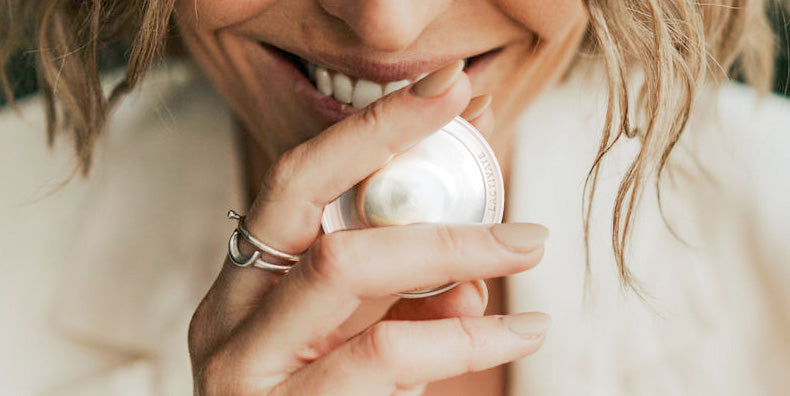
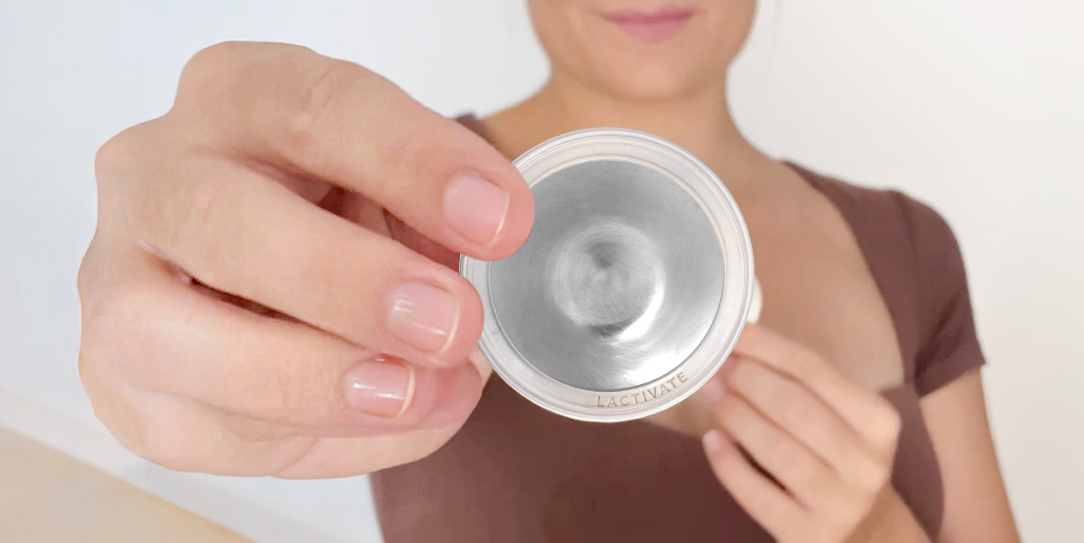
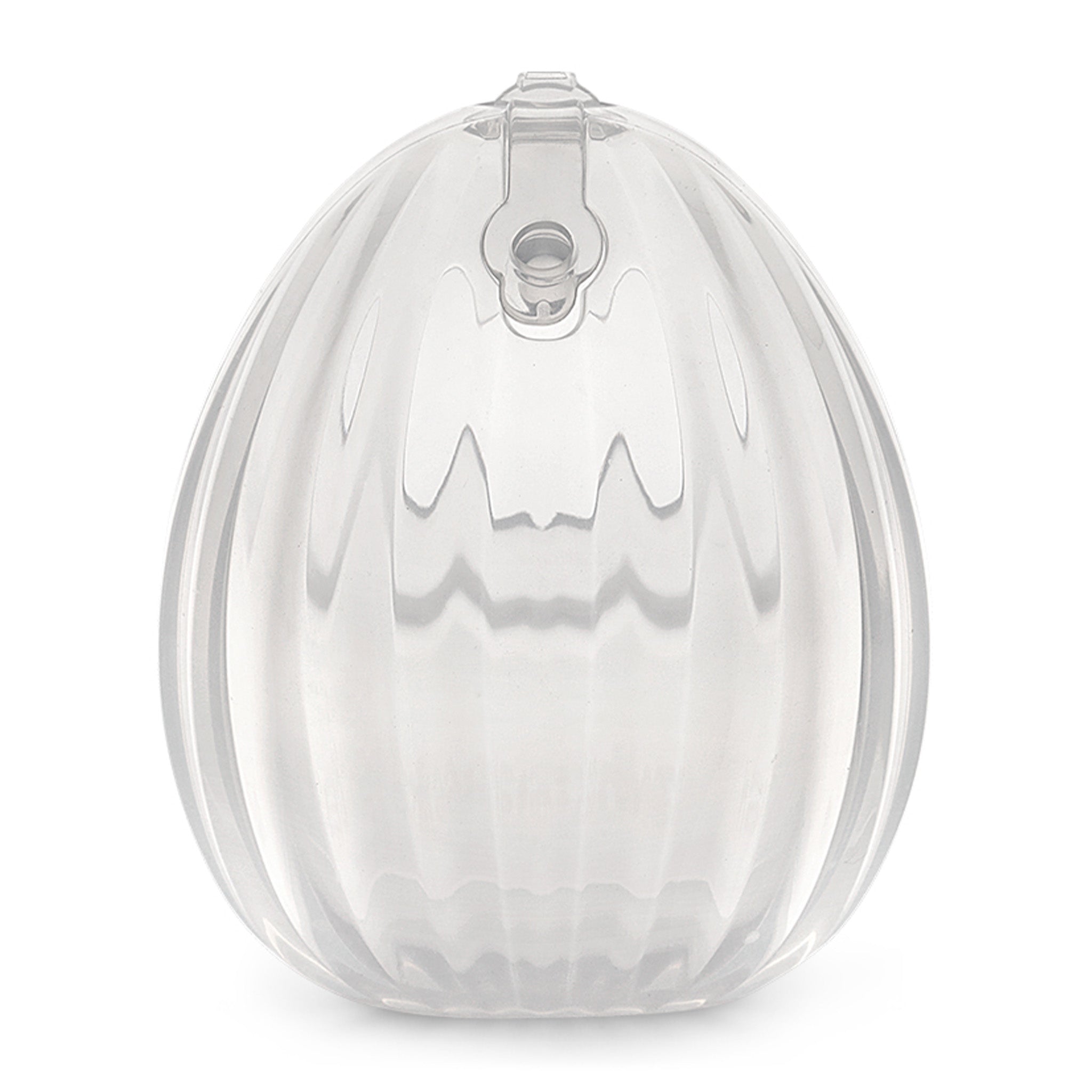
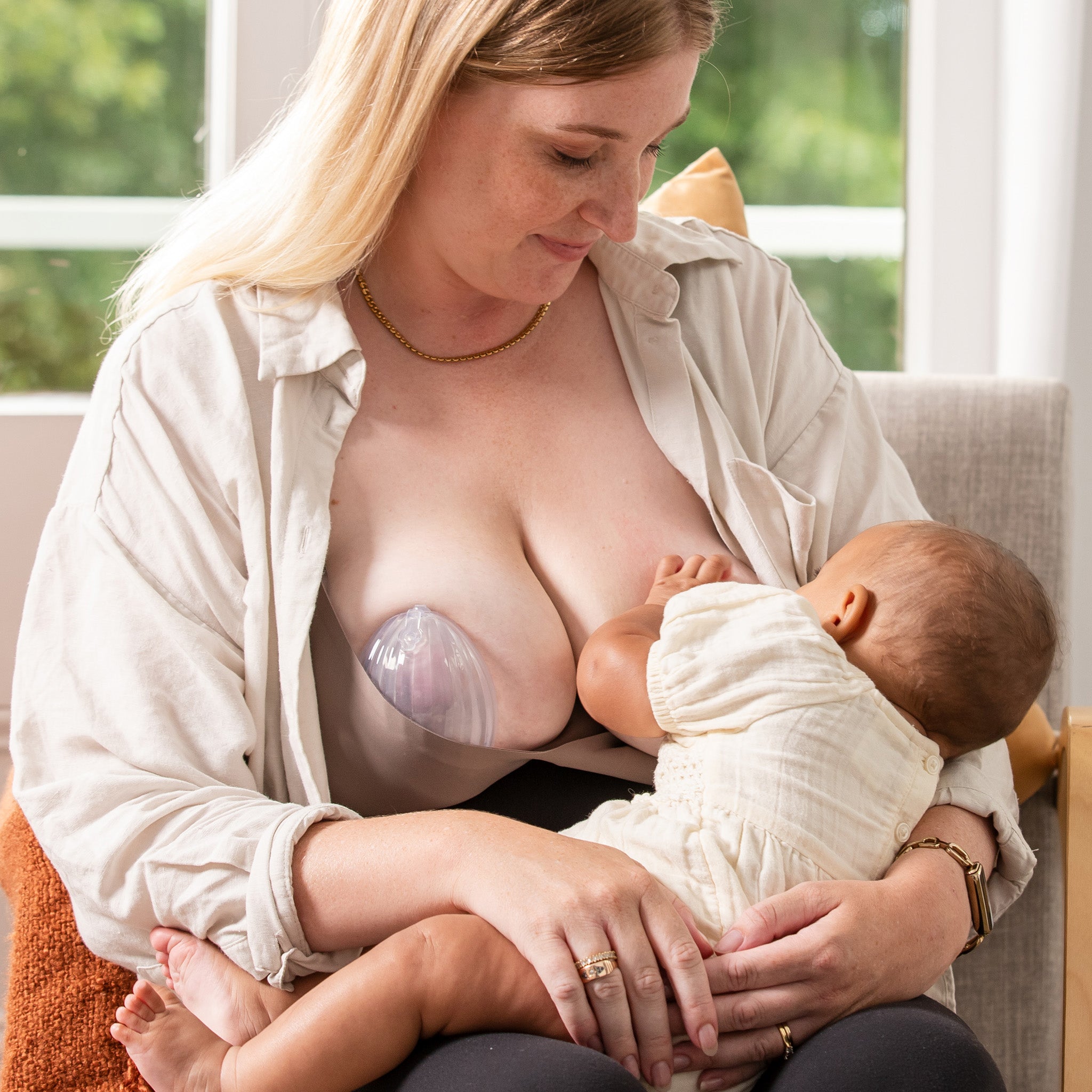
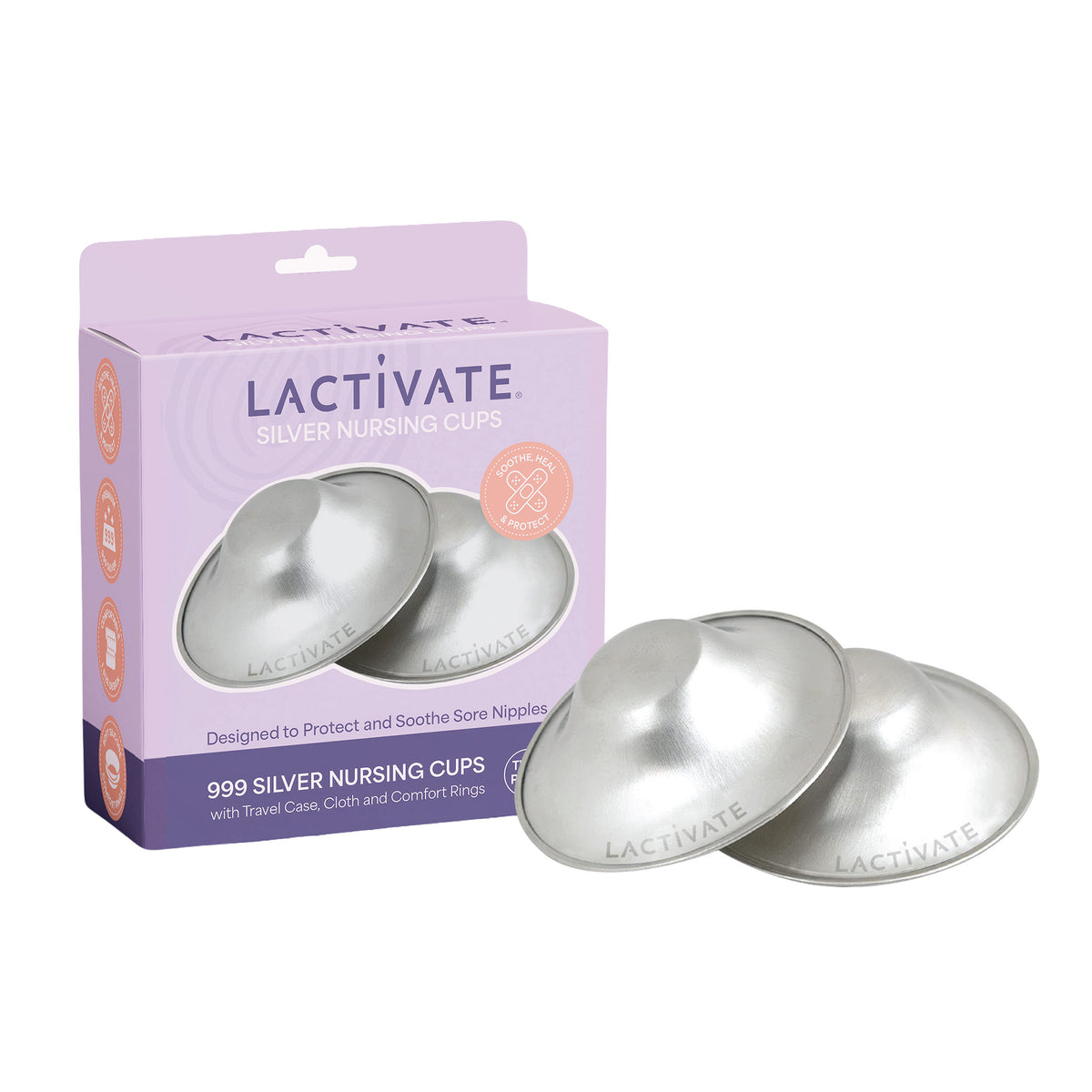
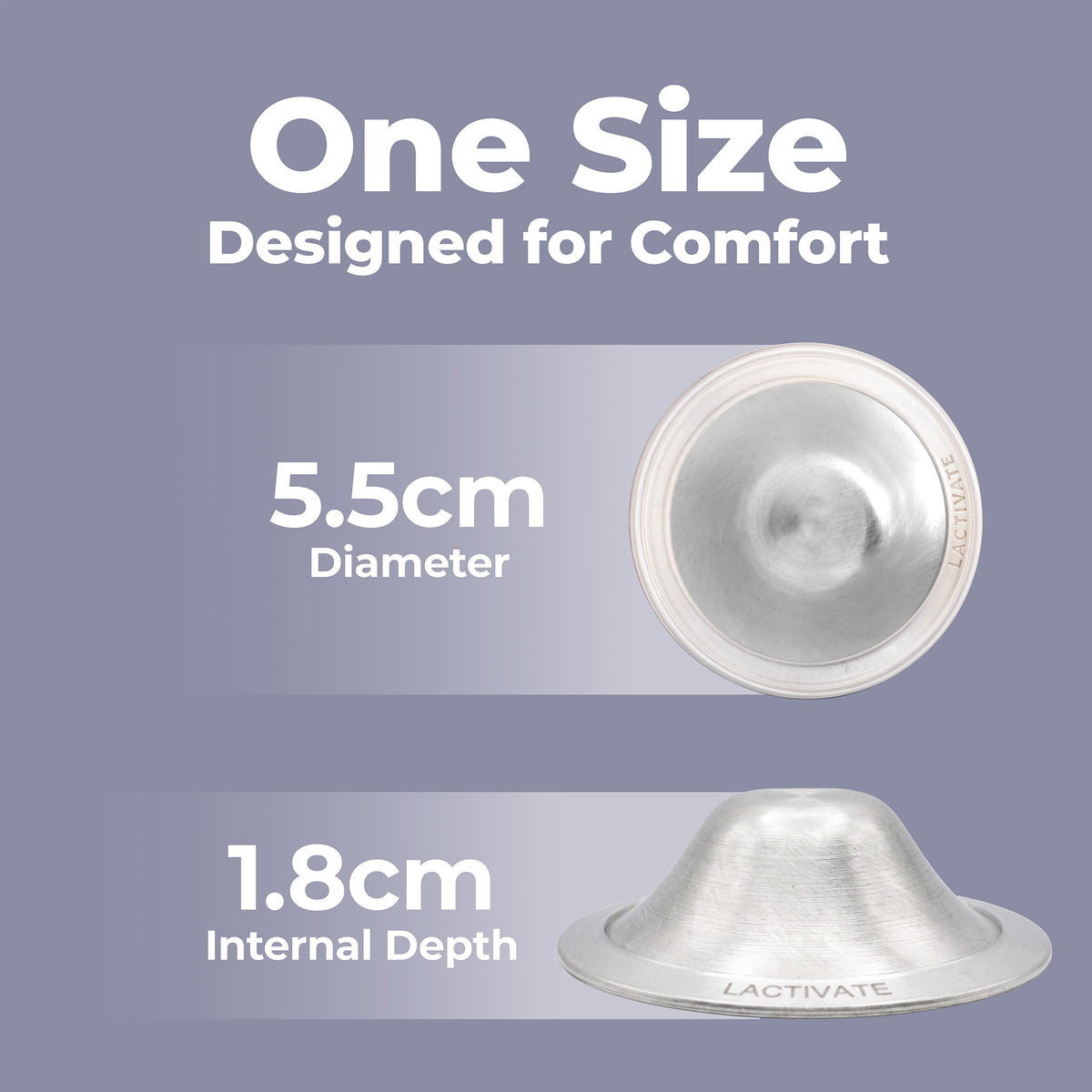
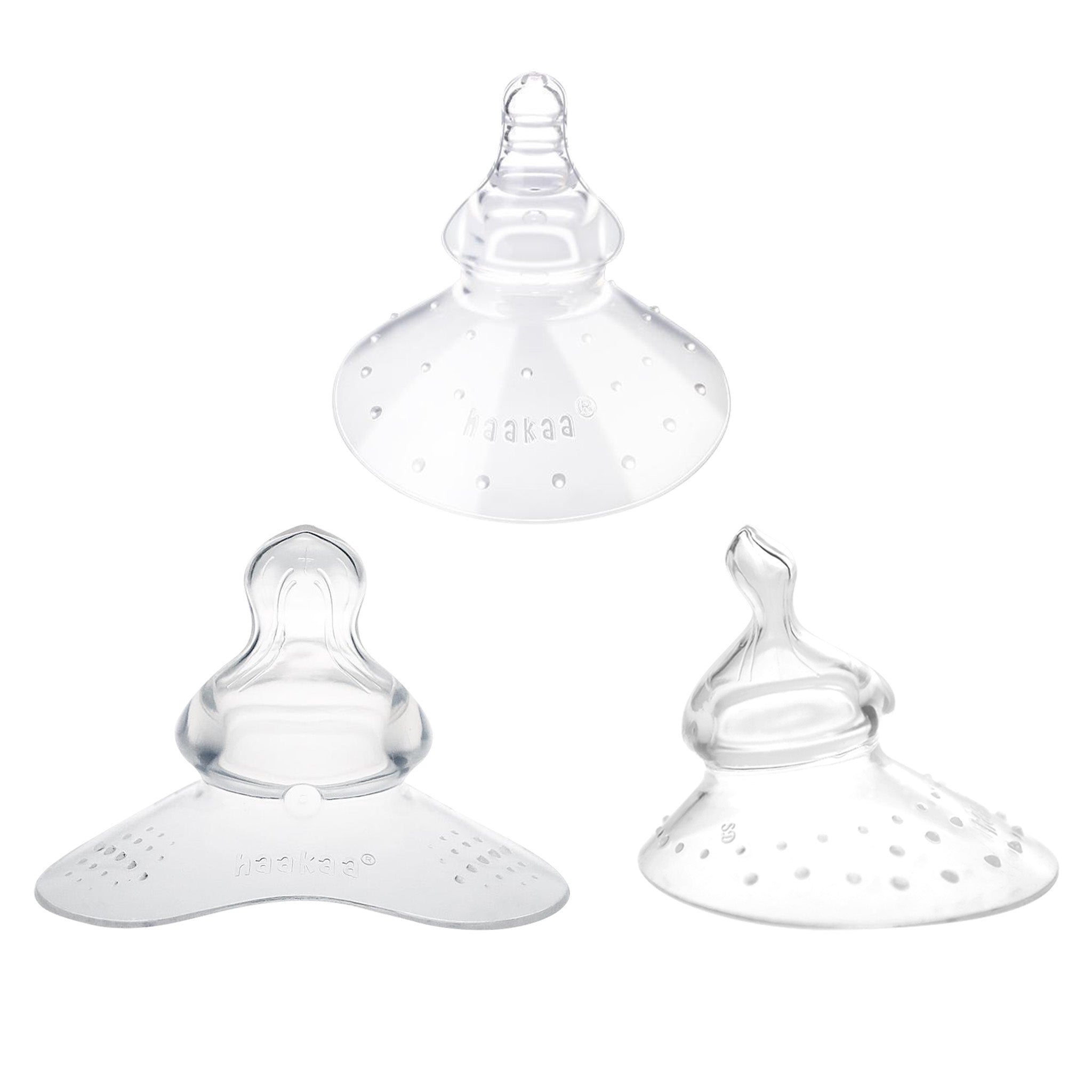
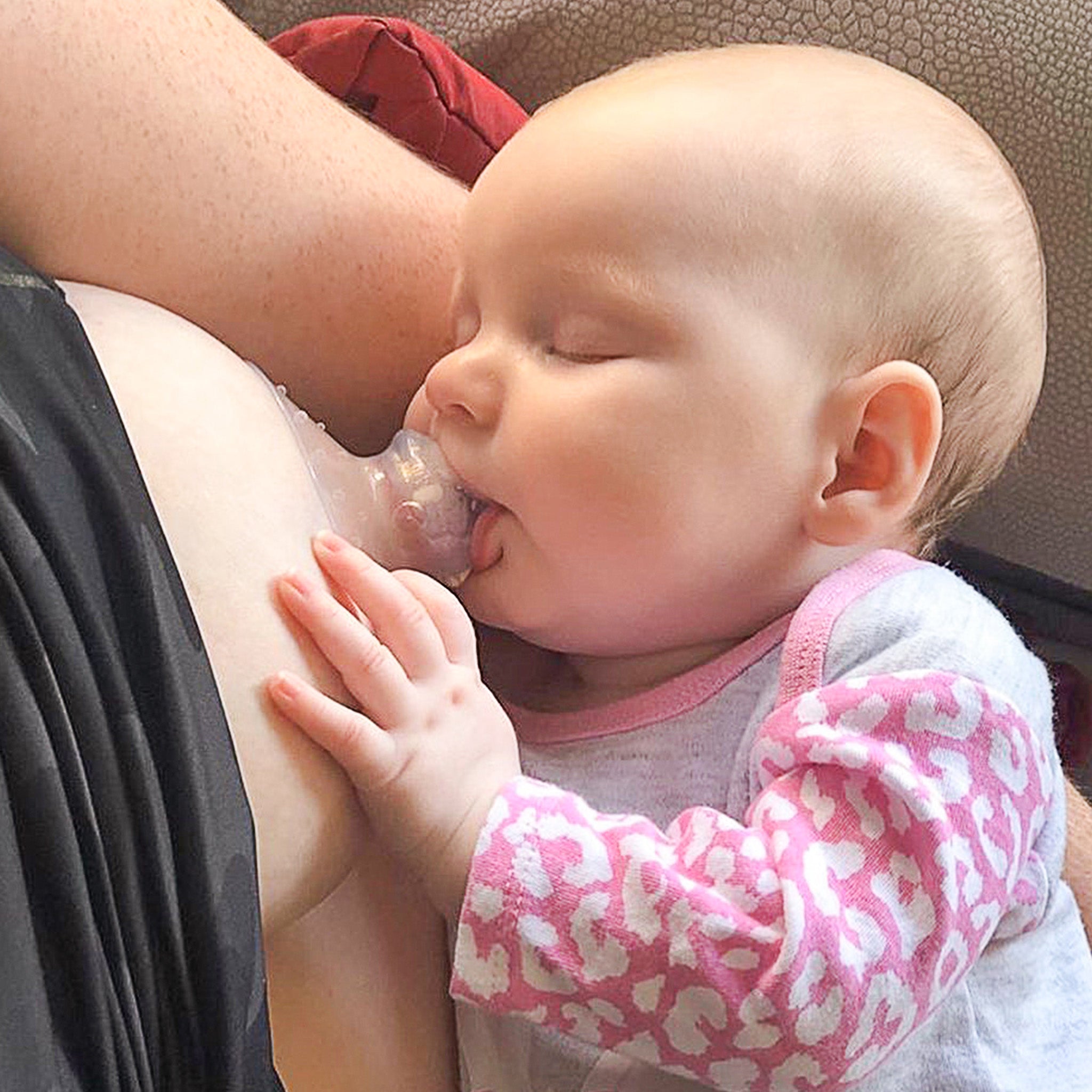
That might mean checking your baby's attachment, making sure your pump flange fits correctly, changing damp breast pads, using hot or cold therapy when appropriate, protecting sensitive nipples between feeds, or speaking to a lactation consultant, breastfeeding counsellor or healthcare professional when something doesn't feel right. It might also mean trying products designed to make those early weeks a little more comfortable, including hydrogel pads, nipple balms or silver nursing cups. Not because breastfeeding should require an entire bathroom cabinet. Because sometimes sore boobs need looking after too.
Then there's breastfeeding in public
Another strange postpartum phenomenon: people can be extremely interested in whether you're breastfeeding, but occasionally uncomfortable when you actually do it where they can see you.
In Australia, breastfeeding is protected by law. You have the right to breastfeed your baby in public. You don't have to hide in a bathroom. You don't have to use a parents' room. You don't have to cover yourself unless you want to. And you certainly don't owe anyone an explanation for feeding a hungry baby.
Maybe we should ask different questions
Instead of: "Are you breastfeeding?"
Try: "How are you finding feeding?"
Instead of: "Is the baby getting enough?"
Try: "How are you feeling about everything?"
Instead of: "Is the baby sleeping?"
Maybe: "Are you getting any rest?"
And instead of offering the latest piece of breastfeeding advice you heard from your neighbour's sister in 2009, perhaps bring lunch. Because new mums don't need more people monitoring their boobs.
They need support.
Your boobs. Your baby. Your call.
Breastfeed. Pump. Combination feed. Use nipple shields. Wear silver nursing cups. Build a freezer stash. Don't build a freezer stash. Feed your baby in the middle of a café. Ask for help. Change your mind.
There isn't a prize for making feeding look effortless. And there definitely isn't one for suffering through it quietly. So perhaps the next time we meet a new mum, we can spend a little less time asking what her boobs are doing. And ask how she's doing instead.
Need breastfeeding support?
Persistent or severe nipple pain is worth investigating rather than simply pushing through. The Australian Breastfeeding Association offers breastfeeding information and support, including its 24/7 Breastfeeding Helpline on 1800 686 268.