
Silver nursing cups are one of those breastfeeding products you might not know exist until suddenly, sore nipples have you searching for anything that might make the time between feeds more comfortable.
Then comes the next question: are silver nursing cups actually worth it? For many mums, their appeal is surprisingly simple. Silver nursing cups sit over the nipple between feeds, creating a protective barrier so tender nipples aren't constantly rubbing against breast pads, bras or clothing.
They're also reusable, require no cream to be applied underneath and can be used throughout your breastfeeding journey. But not all silver nursing cups are the same — and if you're investing in a pair, there are a few things worth looking at first.
What are silver nursing cups?
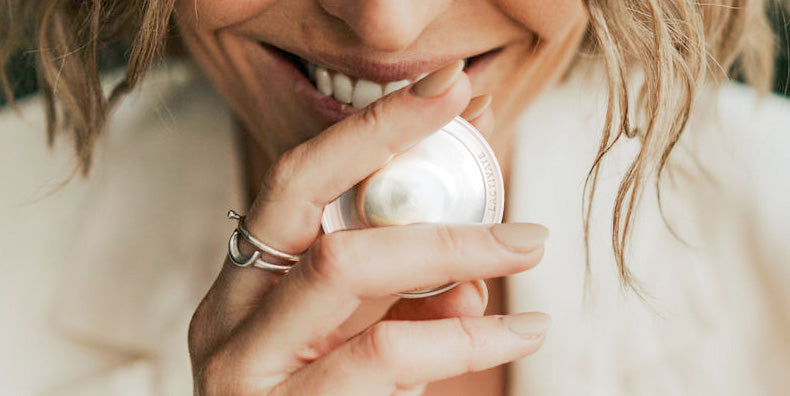
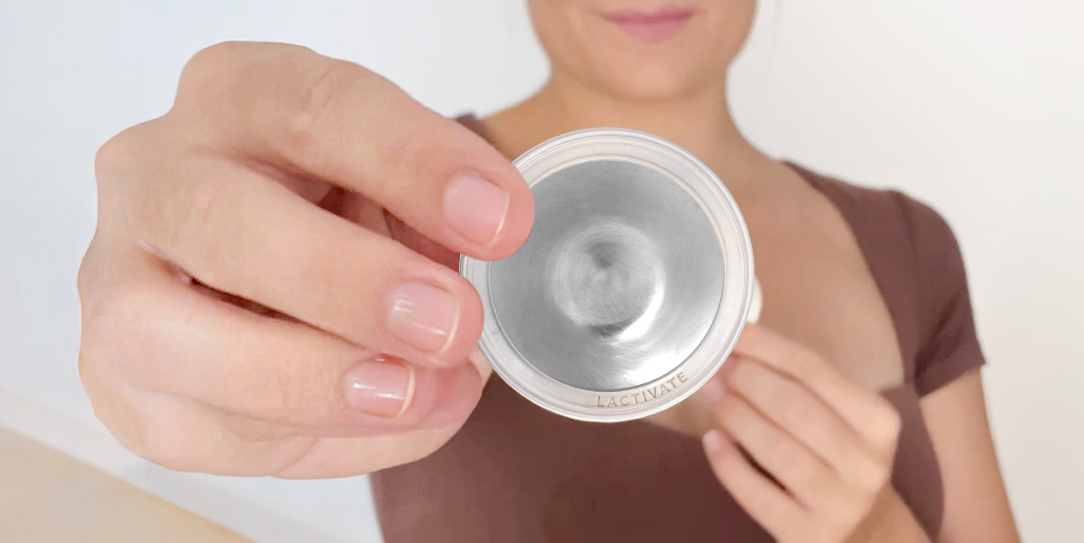
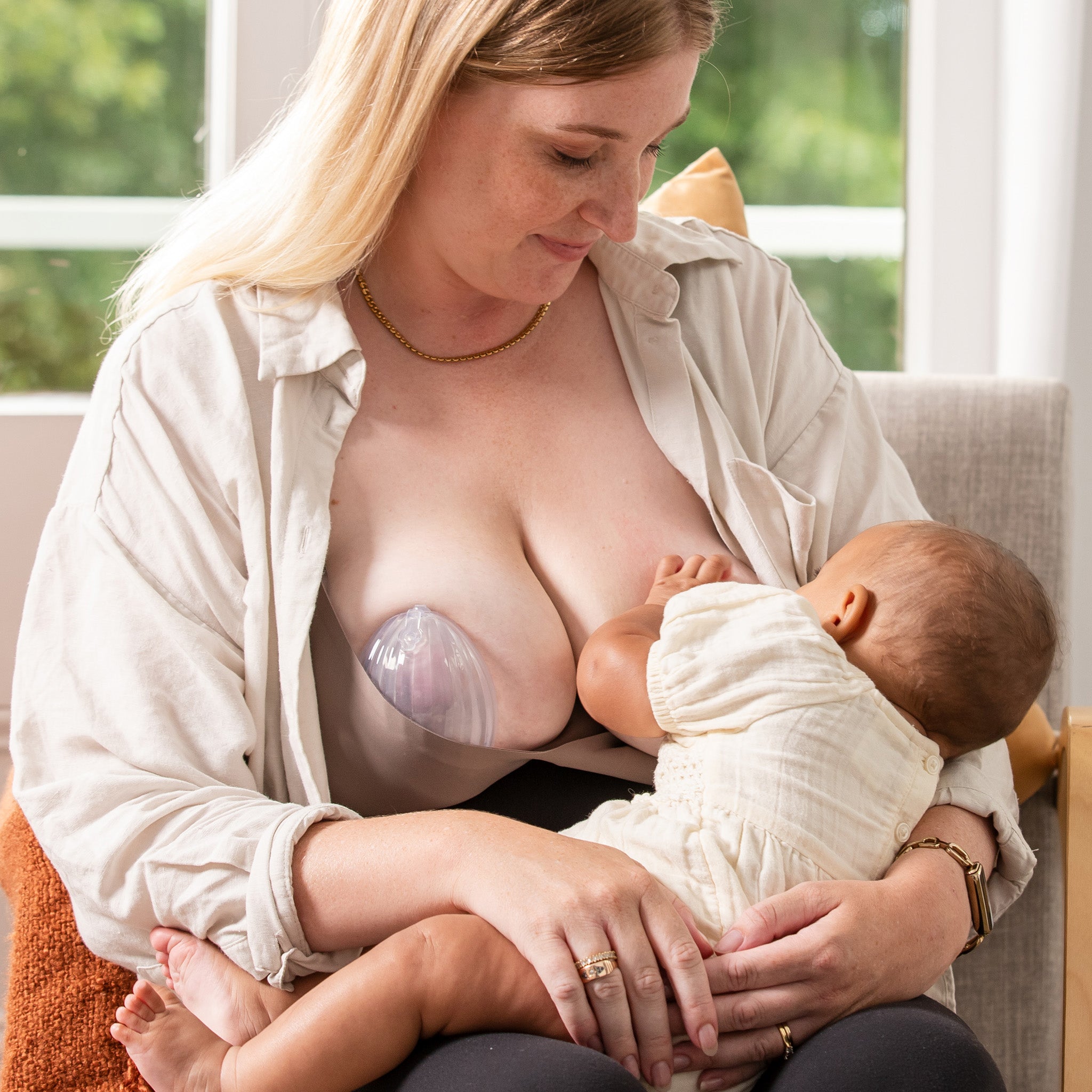
Silver nursing cups are small, dome-shaped cups worn over the nipples inside your bra between breastfeeding or pumping sessions. Unlike nipple shields, they're not worn while your baby feeds. The dome creates space around the nipple and provides a physical barrier between sensitive skin and your clothing. For nipples that already feel tender, cracked or sensitive, simply preventing your bra from repeatedly rubbing against them can make the time between feeds more comfortable.
What are the benefits of silver nursing cups?
One of their biggest practical advantages is protection from friction. When nipples are tender, even soft fabric can feel uncomfortable. A structured cup creates a physical barrier so the nipple isn't constantly brushing against your bra or breast pad.
Silver cups are also:
Reusable. A well-cared-for pair can be used repeatedly rather than thrown away after each use.
Low fuss. There's no need to continually reapply a topical product when you're using the cups as directed.
Designed for between feeds. Simply remove them before breastfeeding or pumping and replace them afterwards according to the product instructions.
A physical barrier. The dome creates space around the nipple rather than pressing fabric directly against sensitive skin.
For many mums, that's what makes silver nursing cups worth having on hand.
What about the moist environment inside silver nursing cups?
This is an important distinction because you'll sometimes see moisture discussed as though it's automatically a disadvantage of traditional silver nursing cups. It isn't quite that simple. Traditional silver nursing cups use a solid dome, creating a protected environment around the nipple between feeds. Some established silver cup manufacturers specifically describe maintaining a moist environment as part of how their products are intended to be used. That's different from a nipple remaining in excessive moisture or pooled leaking milk for prolonged periods, which may irritate the skin.
Some newer nursing cups incorporate ventilation holes to increase airflow and market this as a benefit over solid cups. However, ventilation is only one design feature and shouldn't be considered in isolation. When comparing cups, we'd look at the complete product: how much silver is actually used, silver purity, the amount of silver surface surrounding the nipple, cup diameter, internal depth, edge design and fit.
Solid silver cups vs cups with ventilation holes
You may notice that some silver nursing cups are completely solid while others have small holes through the cup.
So which is better? There isn't currently enough clinical evidence to conclude that adding ventilation holes makes a silver nursing cup inherently more effective than a traditional solid design. What the holes clearly do is allow more airflow through the cup. A solid cup, by comparison, maintains a more enclosed environment around the nipple.
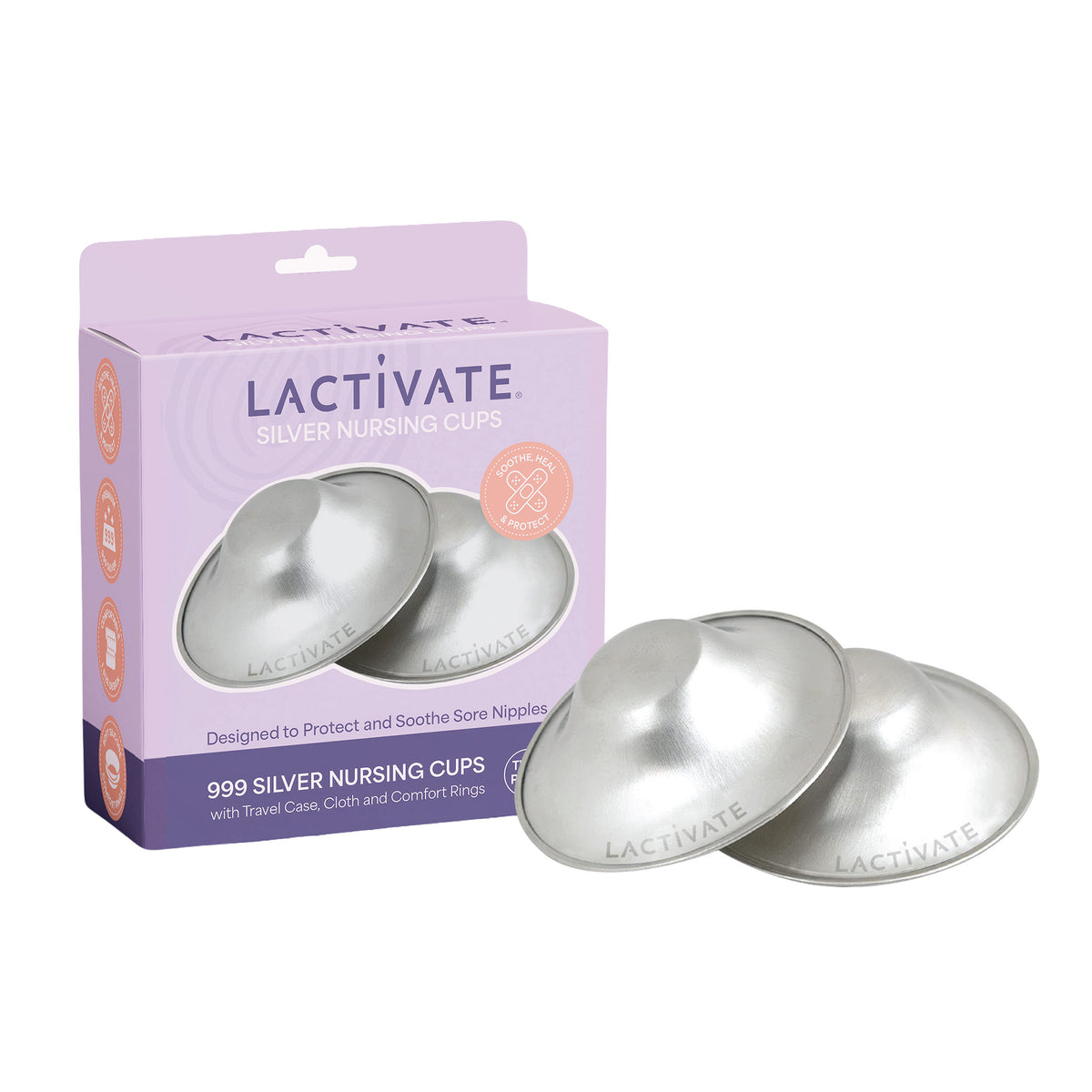
Lactivate Silver Nursing Cups use a solid 999 silver dome without ventilation holes. We think it's more useful to look beyond claims such as "breathable" and ask what you're actually getting:
What purity is the silver?
How much silver is in each cup?
How much space does the nipple have?
What is the diameter?
Is the rim comfortable?
How much silver is in each cup?
How much space does the nipple have?
What is the diameter?
Is the rim comfortable?
Those details can tell you considerably more about the product than a single design feature.
Do silver nursing cups actually work?
There is clinical research examining silver nipple protectors, although the evidence base remains relatively small and products vary considerably in their design.
A 2025 comparative clinical study involving 97 breastfeeding women found lower nipple pain at postpartum day four in women using silver nipple protectors, alongside differences in nipple-trauma healing. The researchers concluded that silver nipple protectors may be a useful non-pharmacological option while also calling for further research.
An earlier randomised study involving 40 women with nipple fissures also reported improvement in painful symptoms among women using silver caps. That's encouraging, but silver cups shouldn't be presented as a guaranteed fix for every sore nipple. They can't correct a shallow latch, change positioning, resize a poorly fitting pump flange or diagnose an infection or skin condition. Think of them as one part of nipple care, rather than a replacement for identifying why breastfeeding hurts.
Not all silver cups contain the same amount of silver
Here's something we'd pay particular attention to when comparing products.
999 silver doesn't necessarily mean you're getting the same amount of silver. Two cups can both be advertised as 999 fine silver while differing significantly in size, thickness, weight and construction. That's why it's worth checking whether the manufacturer actually tells you how much silver is in each cup.
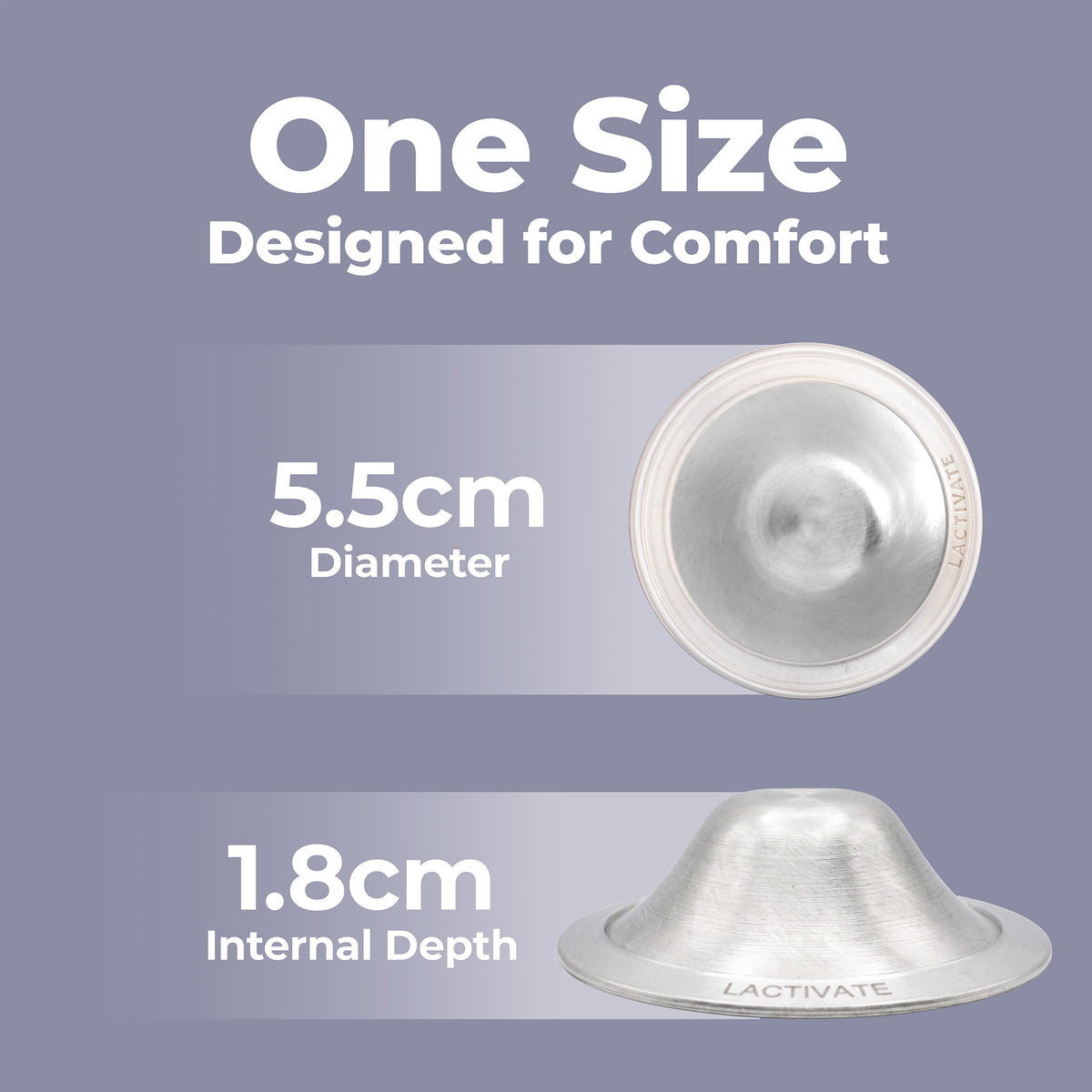
Lactivate Silver Nursing Cups contain approximately 4 g of 999 fine silver per cup — approximately 8 g across the pair. Our current one-size design is approximately 5.5 cm in diameter with an internal depth of approximately 1.8 cm. When you're comparing silver cups, don't stop at the word silver . Look at how much you're actually getting.
Size and depth matter too
A silver cup needs to do more than simply cover the nipple. If it's too shallow, the nipple may touch or rub against the inside of the dome. If the cup is too narrow or pressed firmly into the breast by a tight bra, it may also become uncomfortable. That's why internal depth and diameter are worth checking before purchasing.
Lactivate's 1.8 cm internal depth is designed to provide space around the nipple, while the 5.5 cm diameter provides a generous one-size cup. We've also included removable silicone comfort rings. The rings sit around the rim of the cup to provide an optional softer point of contact against the breast. You can wear the cups with the rings or remove them according to your preference.
Are silver nursing cups worth the money?
This is where it helps to think about cost per use, rather than just the upfront price. Silver nursing cups cost more initially than a pack of disposable breast pads or many nipple creams. But they're reusable. If you wear them regularly during the early weeks of breastfeeding — or keep returning to them throughout your breastfeeding journey — the cost per use can become quite small.
There's also no cream to continually replace when you're using the cups on their own. For someone who only uses them once or twice, that calculation will obviously be different. That's why "worth it" isn't simply about the purchase price. It's about how often you'll use them and what you're buying in the first place.
What should I look for before buying silver nursing cups?
Don't judge a pair solely by its packaging or a claim that it is "pure silver."
Check:
Silver purity - is it 925 sterling silver or 999 fine silver?
Silver weight - how many grams of silver are actually in each cup?
Construction - is the cup solid or ventilated?
Diameter - how wide is the cup?
Internal depth - is there adequate room inside the dome?
Edge design - how does the rim sit against the breast?
Comfort options - are silicone rings included?
Care instructions - does the manufacturer clearly explain how to use and clean the product?
Australian product information - is there a local supplier and appropriate regulatory information?
A pair that's cheaper isn't automatically worse, and the most expensive pair isn't automatically better. The specifications matter.
What makes Lactivate Silver Nursing Cups different?
When we redesigned our Silver Nursing Cups, we focused on the details that matter when you're actually wearing them.
Our latest design features:
999 fine silver - 99.9% silver rather than 925 sterling silver.
Approximately 4 g of silver per cup - approximately 8 g of 999 silver across the pair.
Solid silver construction - we've retained the traditional solid dome rather than introducing ventilation holes.
5.5 cm diameter - our new one-size design.
Approximately 1.8 cm internal depth - creating space around the nipple inside the dome.
Removable silicone comfort rings - giving you the option of a softer edge against the breast.
Reusable design - clean, care for and reuse your cups according to the supplied instructions.
Approximately 4 g of silver per cup - approximately 8 g of 999 silver across the pair.
Solid silver construction - we've retained the traditional solid dome rather than introducing ventilation holes.
5.5 cm diameter - our new one-size design.
Approximately 1.8 cm internal depth - creating space around the nipple inside the dome.
Removable silicone comfort rings - giving you the option of a softer edge against the breast.
Reusable design - clean, care for and reuse your cups according to the supplied instructions.
The previous draft already identifies these core specifications, but they deserve much more prominence because they're what allow customers to make a meaningful comparison between products.
So, are silver nursing cups worth it?
If your nipples are tender and you're looking for a reusable way to protect them from rubbing against clothing between feeds, silver nursing cups can be a useful addition to your breastfeeding toolkit. But we'd look beyond the word silver when choosing a pair. Look at purity, silver weight, solid versus ventilated construction, diameter, internal depth and comfort. And remember that nipple pain is still a signal worth paying attention to. Silver nursing cups can protect sensitive nipples between feeds, but they can't correct an underlying breastfeeding or pumping issue.
If pain is severe, worsening or persistent, or you have nipple damage, bleeding, signs of infection or concerns about your baby's feeding, seek advice from a lactation consultant, midwife, GP or other appropriate health professional.
Frequently Asked Questions
Are silver nursing cups essential for breastfeeding?
No. They're an optional breast-care product. Some mums find them particularly useful when their nipples are sensitive and rubbing against clothing is uncomfortable.
Do silver nursing cups need ventilation holes?
Traditional silver nursing cups use a solid dome, while some newer designs incorporate holes for additional airflow. There isn't sufficient clinical evidence to establish that ventilation holes make a silver nursing cup inherently superior. Consider the overall construction, silver quantity, purity, size, depth and fit.
Should silver nursing cups keep nipples completely dry?
Not necessarily. A protected/moist environment and excessive prolonged moisture aren't the same thing. Follow the instructions for your particular cups and regularly check your skin, particularly if you're leaking heavily.
Is 999 silver better than 925 silver?
999 silver contains 99.9% silver, while 925 sterling silver contains 92.5%. Purity is useful information, but it isn't the only factor worth comparing. The amount of silver, cup dimensions, construction and comfort also matter.
How much silver is in Lactivate Silver Nursing Cups?
Approximately 4 g of 999 fine silver per cup, or approximately 8 g across the pair.
How long can you use silver nursing cups?
They're reusable. How and when they should be worn depends on the manufacturer's instructions and how your skin responds.
Can silver nursing cups fix a painful latch?
No. They can provide a protective barrier between the nipple and clothing between feeds, but they can't correct attachment or positioning. Persistent breastfeeding pain should be assessed.
Are expensive silver nursing cups always better?
No. Price alone doesn't tell you the quality of a cup. Compare silver purity, grams of silver per cup, dimensions, construction, finish, included accessories and the manufacturer's instructions before deciding.